
.png)
Named Storm Under Contract in Pinellas County How Your Deal Can Stall
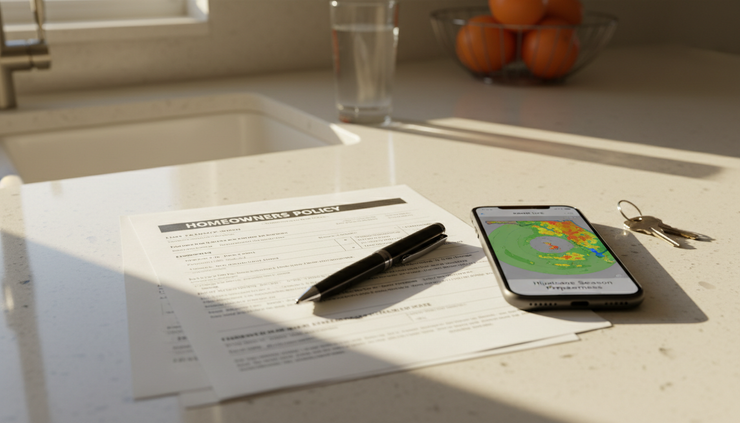
You are under contract on a Pinellas County home, the inspection period is moving along, and your closing date is on the calendar. Then a tropical system gets a name.
That does not mean your deal falls apart. It does mean a few moving pieces can slow down fast, especially insurance, financing, inspections, and contract deadlines.
September is the peak of hurricane season, so this is a practical conversation for buyers and sellers in Pinellas County and across Tampa Bay. The goal is not to panic. The goal is to know what happens next and who needs to act.

Insurance binding restrictions can pause the closing
The first thing to understand is the insurance binder.
A binder is proof that coverage is in place or approved to begin. Lenders usually need acceptable homeowners insurance before they will fund a purchase. If flood insurance is required or chosen, that can become part of the same timing conversation.
When a storm is named and enters an insurance carrier’s restricted area, often called “the box,” many carriers stop issuing new binders or changing coverage. This is commonly called a binding restriction or binding moratorium.
The box is not the same for every company. The timing, geography, and rules can vary by carrier and policy type. Your insurance agent is the person who can confirm what applies to your file.
Here is where a closing can stall. If the buyer has not bound insurance before restrictions begin, the lender may not have what it needs to close. Even if every other piece of the transaction is ready, the file can sit until the carrier opens binding again.
If coverage was already bound before the restriction, the deal may still move forward. But you should not assume. The buyer, insurance agent, lender, and closing team need to confirm that the policy, effective date, premium payment, and lender requirements are all in order.
That is why a named storm under contract in Pinellas County becomes a deal mechanics issue before it becomes a property condition issue.
A named-storm delay can affect financing and contract dates
A storm delay can create a chain reaction in the loan file.
The lender may be waiting on proof of insurance. The closing disclosure may need updated dates. The rate lock may have an expiration date. Loan documents may need to be redrawn if the closing moves.
None of this is unusual, but it does need attention. A one-day insurance delay can become a longer delay if it bumps into lender review times, title scheduling, wire deadlines, or a weekend.
Contract dates are just as important. A named storm does not automatically change every deadline in your contract. The parties may need a written extension or addendum if the closing date, financing deadline, inspection timing, or other dates need to move.
Do not rely on a verbal “we all understand.” If a deadline matters, get direction from your real estate agent and, when needed, a real estate attorney. This article is informational only and is not legal advice.
For sellers, this matters because your next move may depend on the closing. For buyers, it matters because your deposit, loan approval, and moving plans may be tied to dates in the contract.
The best approach is simple: as soon as a system forms, ask what dates are at risk if binding restrictions begin.
Re-inspection helps confirm the home is still in agreed condition
After a named storm passes, buyers often want a re-inspection before closing. That does not mean a full second inspection every time. It may be a focused visit to confirm that the property is in substantially the same condition as before.
A re-inspection may look at the roof, windows, ceilings, exterior walls, fencing, screens, garage, visible water intrusion, HVAC equipment, and other areas that could have changed during the storm.
Sometimes the lender, insurance company, or appraiser may also ask for confirmation if there was a delay or known storm impact. Those requirements vary, so your lender and insurance agent should guide you.
Who pays for the re-inspection depends on the contract, the reason for the inspection, and what the parties agree to in writing.
If the buyer wants extra peace of mind, the buyer may pay. If storm damage is found and repairs or further evaluation are needed, the cost questions can become part of the negotiation. The contract and Florida law matter here, so do not guess.
The key is access and timing. The seller needs to allow reasonable access according to the contract. The buyer needs enough time to inspect before closing. Both sides need to avoid last-minute surprises.
A calm re-inspection plan can keep a delayed closing from turning into a dispute.
Sellers should document the property before conditions change
If you are selling and a system is forming, document the property before the weather arrives.
This is not about making the home look perfect. It is about creating a clear record of condition while you are under contract.
Use your phone and keep it simple. Take date-stamped photos and short videos of the home’s major areas, inside and outside.
Focus on:
Rooflines, gutters, soffits, and exterior walls
Windows, doors, sliders, and screens
Ceilings and walls in main rooms
Garage, attic access area, and visible mechanical systems
Yard features, fencing, gates, and pool equipment if present
Any recent repairs, receipts, or contractor notes already in your file
Walk slowly while recording video. Open blinds where you can. Capture wide views and closer shots of areas a buyer may ask about later.
If something already has a known issue, do not hide it. Keep your documentation accurate and consistent with your disclosures. If you are unsure what must be disclosed, ask your real estate agent or attorney.
Good documentation can help answer a basic question after the storm passes: did the property change?

Buyers under contract should act the week a system forms
If you are the buyer, the week a system forms is the time to tighten up the file.
Start with insurance. Call your insurance agent and ask whether your homeowners policy is bound, whether anything is still pending, and whether a named-storm restriction could affect your closing. If flood insurance is part of your plan, ask about that too.
Then call your lender. Ask what they still need before closing and what happens if insurance binding pauses. Confirm whether your rate lock, closing disclosure, appraisal, or final approval could be affected by a delay.
Next, talk with your agent about contract dates. If the closing date looks tight, do not wait until the day before closing to discuss an extension. Give both sides time to solve the problem in writing.
You should also plan for a post-storm re-inspection if the timing calls for it. Ask when access could happen after conditions are safe and the seller is available.
A simple buyer checklist for that week looks like this:
Confirm insurance is bound, not just quoted
Confirm the lender has acceptable proof of coverage
Ask whether any underwriting items remain open
Review contract dates with your agent
Discuss an extension early if the timeline is at risk
Plan a re-inspection after the storm passes, if needed
Keep all updates in writing
Do not make big financial changes during the delay unless your lender approves them. A delayed closing is still an active loan file.
The goal is to keep the deal ready so it can move once insurance, lender, property condition, and closing logistics line back up.

What this means for you
A named storm does not automatically stop a Pinellas County closing. But it can pause the parts of the deal that depend on insurance, lender approval, property condition, and written contract dates.
The safest move is early communication. Buyers should confirm coverage and lender requirements before restrictions hit. Sellers should document the home before conditions change. Both sides should be ready to handle extensions and re-inspections in writing.
If you are under contract during peak hurricane season, timing matters. Call The Straight Team with KW Portfolio Collection at 727-216-9441 or visit www.straight2sold.com to talk through your specific timeline.
SEO meta description
Under contract in Pinellas County when a storm is named? Learn how insurance freezes, closing dates, financing, and re-inspections can change.
URL slug
named-storm-under-contract-pinellas-county-deal-can-stall
Alternate headline options
What Happens to a Pinellas County Closing When a Storm Is Named
Under Contract During Hurricane Season in Pinellas County What Can Delay Closing
How Named Storms Affect Insurance, Financing, and Re-inspections Before Closing


Comments